

By David Almany, AIA
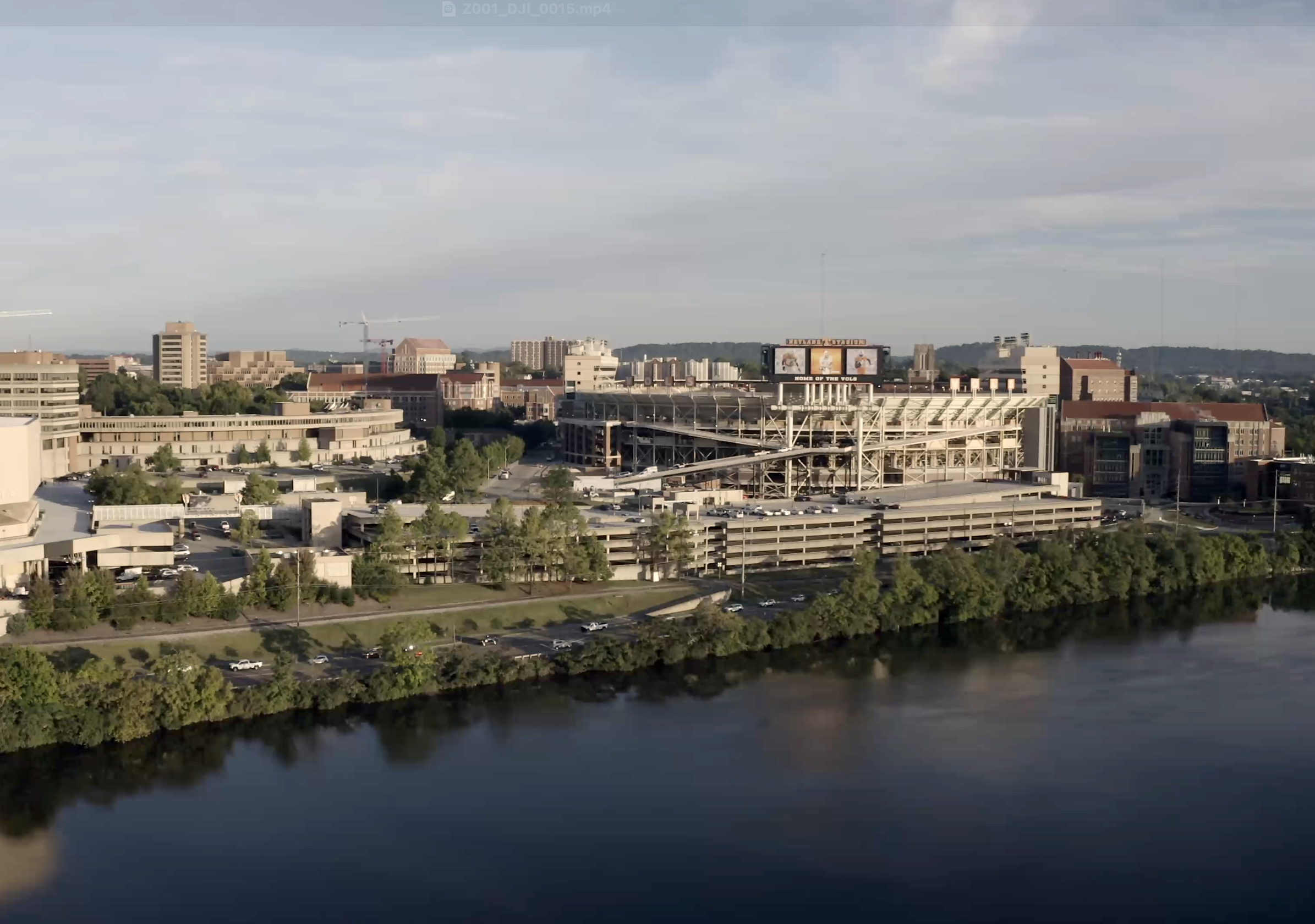
Across collegiate athletics, a subtle but powerful shift is underway. Institutions are increasingly recognizing that the greatest opportunities for competitive advantage, fan engagement, and long-term financial sustainability may not lie inside their stadiums or arenas—but around them.
For decades, capital projects in college sports were defined by what happened within the venue: more seats, better concourses, premium clubs, improved athlete spaces. But today’s environment—shaped by new revenue pressures, evolving fan expectations, and the rise of year-round campus activation—demands a new approach. The most forward-looking programs are turning their attention to the edges of the stadium, transforming underutilized real estate into mixed-use environments that serve the whole campus community.
These emerging “mixed-use districts” are becoming one of the most strategic tools available to universities. Informed by my work as both an architect and now a development advisor, I see three major forces driving their growth.
Fans are no longer satisfied with an isolated event. They want experience options, gathering spaces, vibrant pre- and post-game environments, and amenities that extend beyond the venue itself. This demand cannot be met within the stadium footprint alone—it requires a district that integrates lodging, entertainment, retail, and public spaces in ways that feel authentic to the institution, which in turn creates opportunities for revenue generation that are no longer limited to event activities.
In an era of heightened financial pressure, from the House Settlement impacts to conference realignments, athletics departments are looking for ways to reduce reliance on ticket sales and philanthropy. Mixed-use district development creates reliable revenue through ground leases, asset performance, third-party partnerships, and new premium experiences. Successful districts also address additional campus needs beyond athletics environments such as increased student housing, a multi-purpose campus conference center, or student amenities. Importantly, the intentional orchestrated mix of assets is uniquely curated to each institution to monetize land without compromising academic resources or taking on long-term debt while aligning with demands.
Every athletics department and university wants to deliver a differentiated experience. District developments provide a framework to physically express and reinforce a school’s brand and values, creating a recognizable “front door” that reinforces community pride, donor engagement, and recruiting impact. When done well, these districts become landmarks that deepen a university’s—and its community—with a sense of place.
This approach is already taking shape at institutions across the country. At the University of Mississippi, for example, B&D has led the institution through their stadium modernization planning, which expanded to include a broader mixed-use vision—integrating hospitality, donor-facing spaces, and year-round activation opportunities around Vaught-Hemingway Stadium. Similar conversations are underway nationwide as universities consider how best to utilize their most visible and valuable land assets.
What makes this evolution so compelling is that it blends two historically separate domains: sports facility design and campus real estate strategy. The district becomes the connective tissue between athletics, academics, and the surrounding community. It is not an add-on—it is the next phase of venue modernization.
For colleges and universities evaluating their future, the message is clear: re-envisioning the areas surrounding their sports venues is no longer optional; it is essential to their competitive position. The institutions that recognize the untapped potential surrounding their stadiums—and align academics, athletics, institutional vision, and private partnership around that potential—will be the ones best positioned to thrive in the next decade of collegiate athletics.
As someone who has spent his career at the intersection of design and development, I believe this moment represents a transformational opportunity. By reimagining the land just outside our stadium walls, we can create places that enhance the fan experience, deliver sustainable financial value, and strengthen the cultural heart of our campuses for years to come.
David Almany is a senior project manager within the B&D Venues Practice Group. He serves as a strategic advisor to clients in intercollegiate athletics and professional sports organizations, advising them in defining the initial scope and development of projects related to athletic performance and training, public assembly, and entertainment-based mixed-use districts. His role extends beyond mere consultation; he remains a trusted advisor throughout the entirety of the project lifecycle, providing process oversight and management during the stages of project design, construction, and implementations. He can be reached at dalmany@bdconnect.com.


